
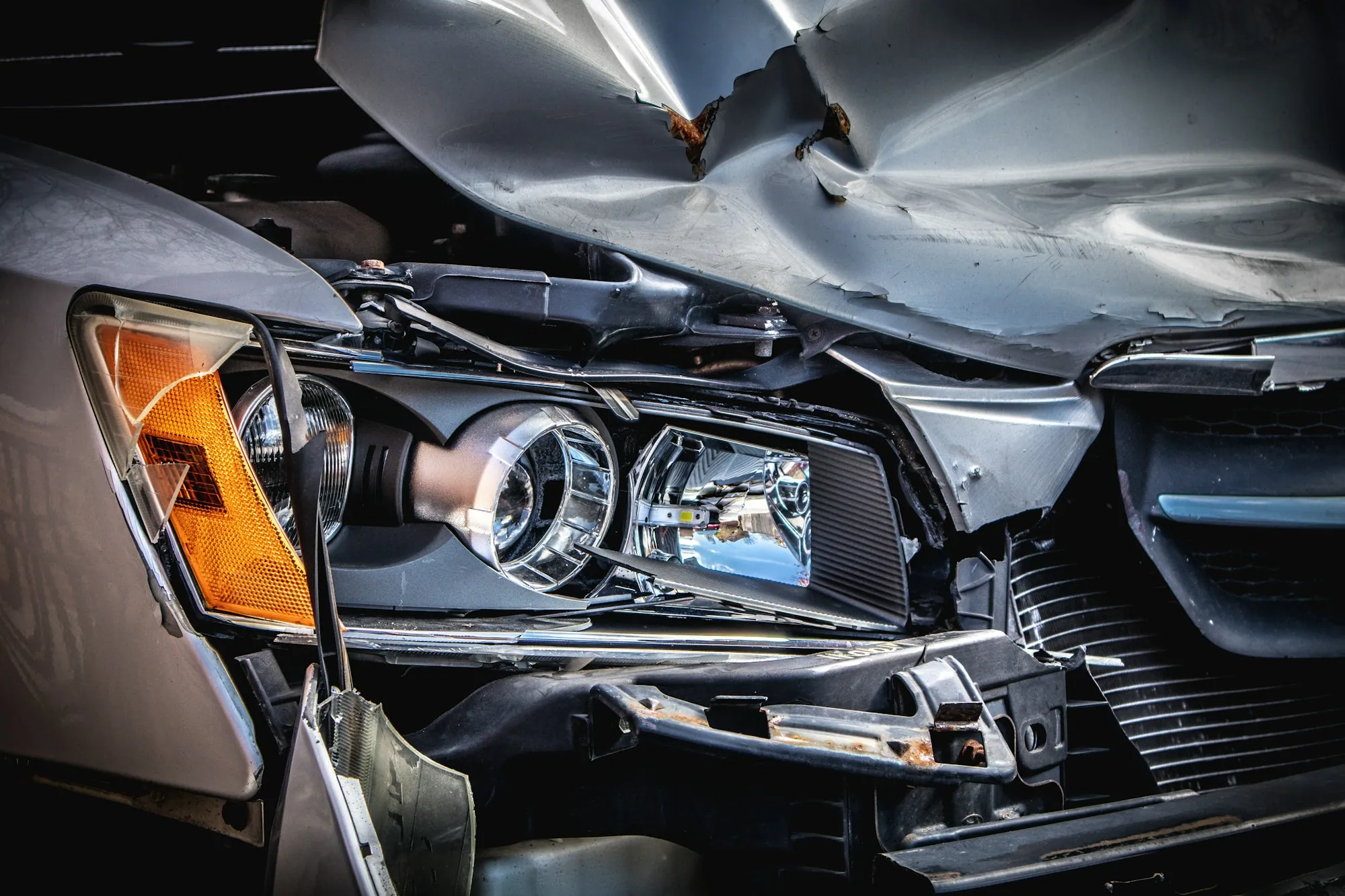
Crash damage, start to finish
Collision Repair in Lowry Crossing With Progress You Can Follow
Whether it was a fender-bender pulling off US 380 or a harder hit near the East Fork Trinity River bridge, you'll know what we found, what we're fixing and where your car stands.
Walk us through the accident — (000) 000-0000How a Crash Repair Is Laid Out Before Work Begins
A collision rarely damages just one part. The bumper cover takes the visible hit, but the absorber, radiator support, headlamp brackets and sometimes the sensors behind them can all be affected. Our first job is to put every one of those pieces on a written plan so you can see the whole repair in one place. From there, the car moves through teardown, parts, repair, paint and a final check, and we call you as it finishes each one. Around Lowry Crossing, a lot of these crashes happen on US 380 heading toward McKinney, where traffic bunches up quickly. If the plan changes along the way, you hear why in plain terms before anything new happens.
Pieces of a Full Collision Job
Your plan lists whichever of these your car needs, so the final paperwork matches what you were told.
Written repair plan
Every damaged part, labor operation and refinish area gets listed before work begins. You get a copy, and we go through it together line by line.
Hidden-damage teardown
We remove the bumper, lamps and trim to find bent brackets or cracked supports the first look could not reach. New finds get photos and a line on your plan.
Structural measuring and pulls
We compare key points on the body with the carmaker's published dimensions, then pull anything that shifted and check it again.
Parts ordering and check-in
Ordering starts after approval, and every box is opened and checked on arrival. If something comes in wrong or damaged, we tell you and reorder.
Panel and bumper work
Doors, fenders, hoods and bumpers are repaired where the material allows and replaced where it does not.
Refinish and color blend
Your factory color code sets the formula, and the new paint is feathered into nearby panels for an even look.
Electronics scan and calibration
Computer scans on arrival and again before release catch crash-related codes, and sensors for features like automatic braking are calibrated as needed.
Final check and walk-through
We test lights, doors, gaps and road feel, then show you what was done when you come to pick up.
The Path From Drop-Off to Pickup
- 01
Inspection and a plan you can read
We look the car over, take photos and build the repair plan line by line. When insurance is involved, your adjuster sees the very same plan you do. You leave knowing what is expected to be fixed and what still needs a closer look. Questions are welcome at every step.
- 02
Teardown, parts and approvals
After your insurer or you sign off, the damaged corner of the car comes apart piece by piece. Damage the first look missed is written up for the insurer as a supplement, and we phone you with the details before that work starts. Parts are ordered and checked as they arrive. You hear from us when teardown wraps up and again when parts are in.
- 03
Repair, paint and final check
The order inside the shop is structure, sheet metal, paint and then reassembly. A closing scan, a short drive and a look at every seam, lamp and door come next. Your phone rings when it passes, and we go over the car together when you arrive.
What Keeps a Collision Repair From Feeling Like a Black Box
Updates arrive without chasing
You should not have to call around to find out where your car is. We reach out as each stage finishes, and sooner if something changes.
Changes come with a reason
If a part is delayed or hidden damage turns up, we explain what happened, what it means for the repair and what your options are. You approve it before we proceed.
One plan, start to finish
The plan you see at the first visit is the same document we update as the repair moves along. That makes it easy to see what changed and why.
Talk Through Your Accident With Us
Give us the short version of the crash and let us know if the car is drivable, and we'll lay out what happens first. From there, you'll get a plan and regular updates until the car is parked back in your driveway.
(000) 000-0000 — start your collision plan