How will I get updates?
By phone or text, whichever you prefer. We'll reach out as each stage finishes and whenever something changes.
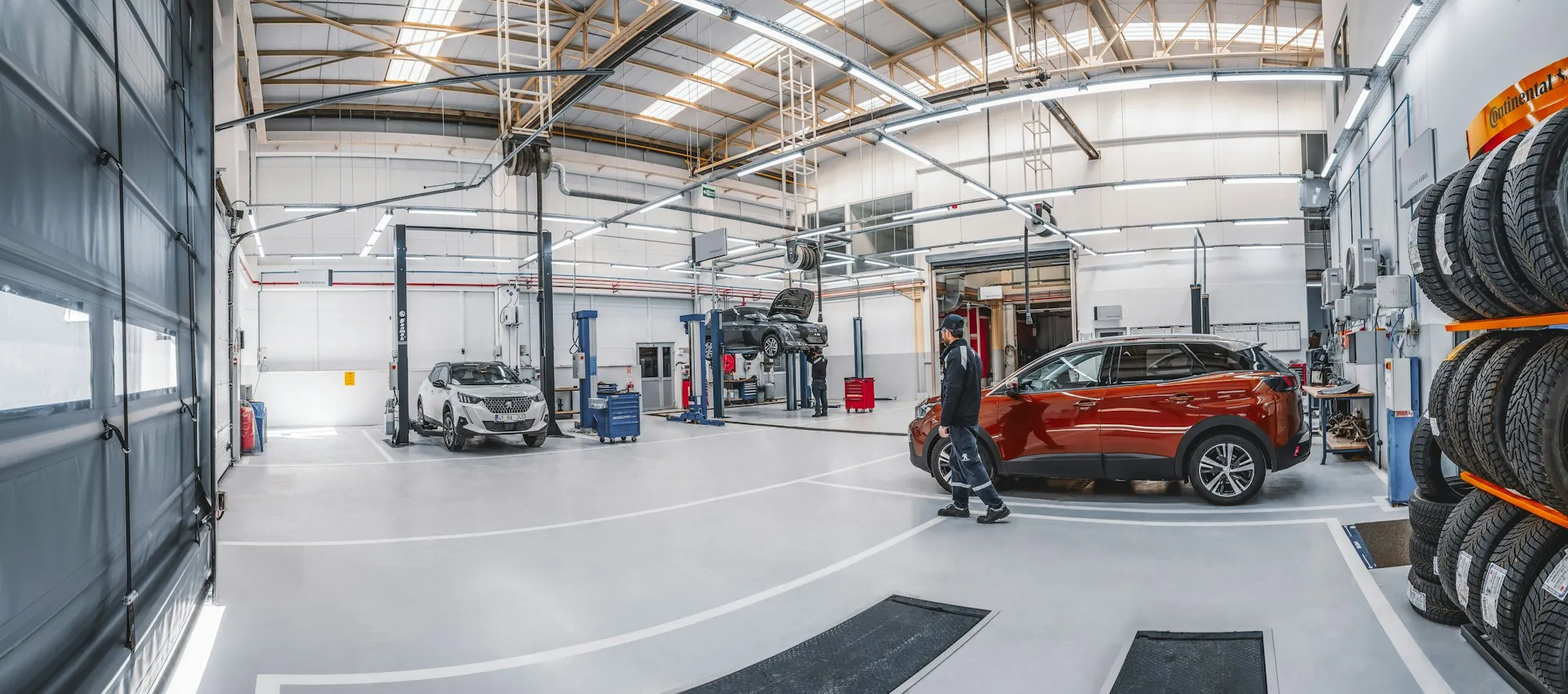
Lowry Crossing body shop
A repair shouldn't feel like a black box. You'll get a written plan before we start, a call or text as each stage finishes, and a straight explanation whenever something changes.
Start with a call — (000) 000-0000What we'll repair, replace and refinish, written down.
Teardown, parts, repair, paint and final check.
If we find more damage, you hear about it before we act.
The same contact from drop-off to pickup.
Repairs
Each repair below has its own page explaining what's involved and what you'll hear from us along the way. A single accident often needs several of them, and one plan and one point of contact cover them all. You don't need the technical name. Describe the damage and we'll sort out the rest.
Accident repair with a written plan before work starts and a call from us as each stage wraps up.
See the detailsSheet metal on doors, fenders, hoods and quarters straightened or swapped, with each choice explained first.
See the detailsMeasured frame and unibody correction after a hard hit, with readings shared before and after each pull.
See the detailsDoor dings, hail marks and creased panels fixed with the method that fits, explained before we start.
See the detailsDings and hail marks worked out from underneath so the factory finish never sees a spray gun.
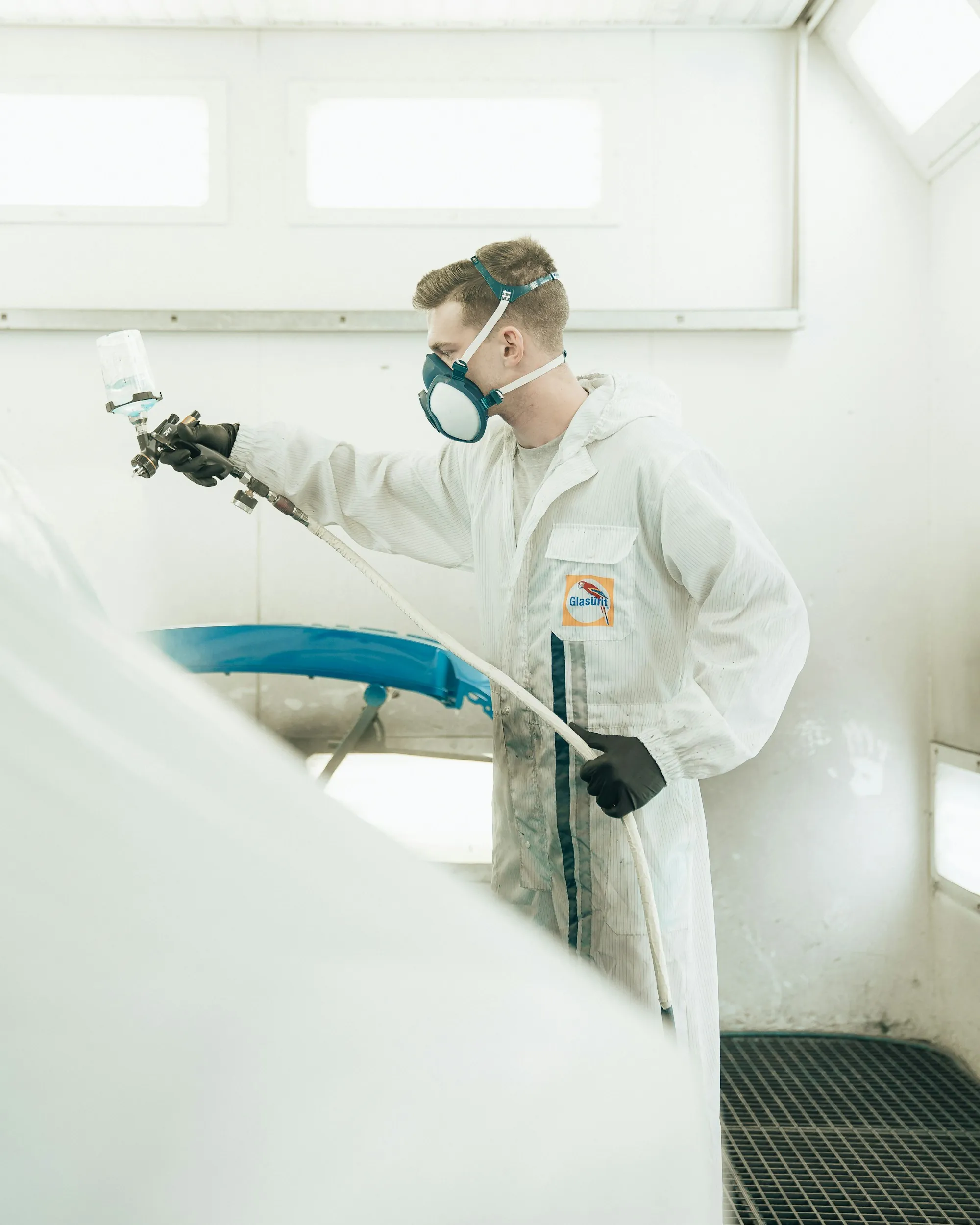
See the detailsPanel refinishing, color matching and full repaints sprayed in a booth, with color checked before it touches your car.
See the detailsKey marks, scuffs and scrapes sized up by depth, then fixed with the lightest repair that works.
See the detailsCracked, scuffed or caved-in bumper covers either repaired or exchanged, with sensors tested before the car goes home.
See the detailsHail dents counted panel by panel, removed with paintless tools where possible, and tracked on a written plan.
See the detailsCamera, radar and parking-sensor resets done by the carmaker's procedure, with a printed result for your records.
See the detailsRepairs for aluminum body panels and pickup beds, done in a walled-off area with tools kept apart from steel.
See the detailsCrash repair for battery-powered and hybrid cars, with high-voltage shutdown and battery checks written into the plan.
See the detailsNew windshields, door glass and rear windows set with proper adhesive, honest cure times and a camera check.
See the detailsEstimates, photos, adjuster calls and supplements handled by the shop, with plain updates on where your claim stands.
See the detailsFlatbed towing after a crash, arranged to bring your car straight to the shop with photos taken on arrival.
See the detailsCollision repair for work vans, pickups and box trucks, with a status sheet for each unit and one contact for updates.
See the details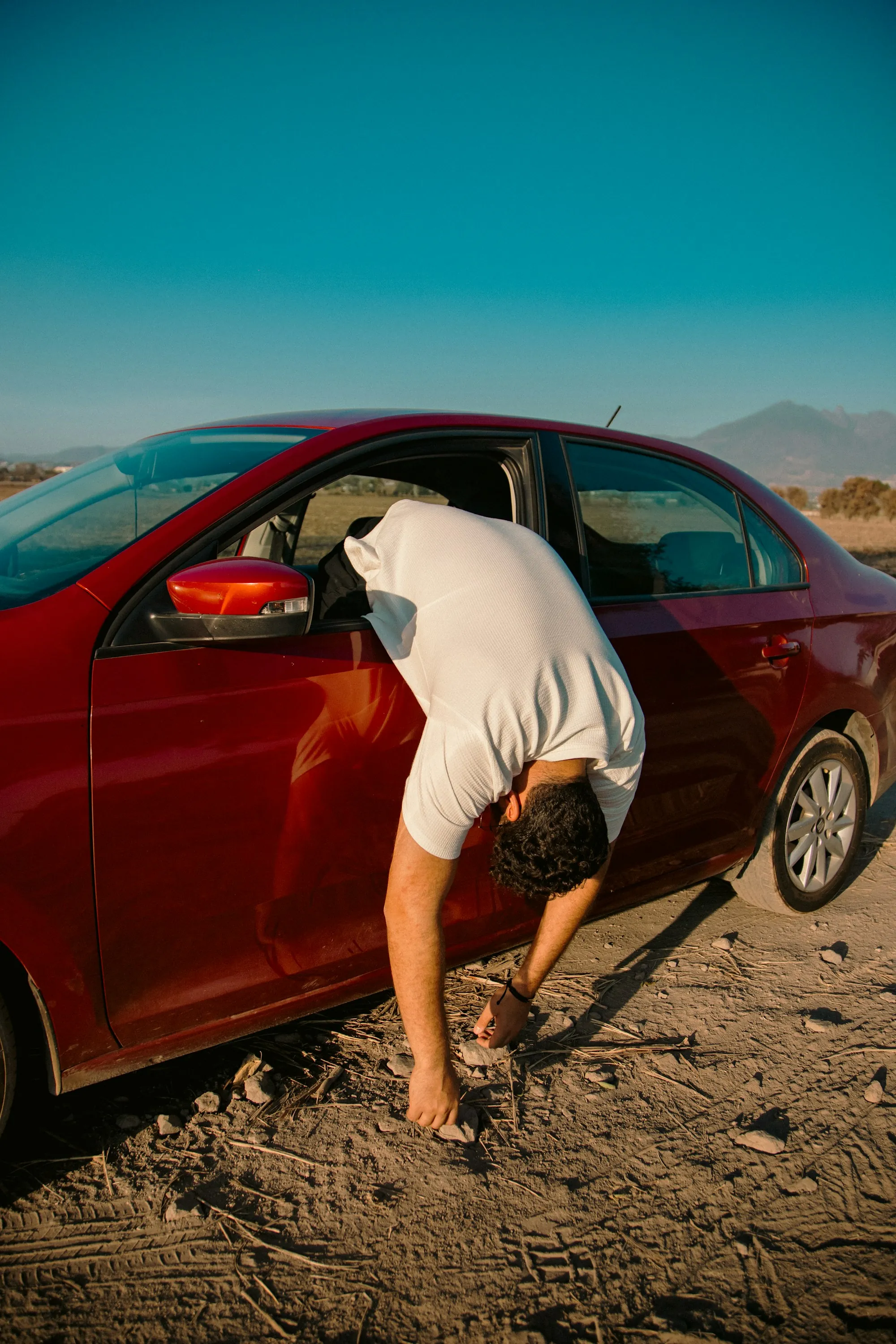
Why it matters
Most frustration with body shops has little to do with the paint or the panels. It comes from silence: dropping off a car and then wondering for days what's happening, whether parts have arrived, or why the pickup date moved.
We'd rather you never have to wonder. Before any work starts, you get a plan that lists each repair in plain words. As each stage finishes, we let you know. When something changes, such as hidden damage behind a bumper or a part on back order, we explain it and what it means for the repair before going further.
That doesn't make repairs faster or cheaper by itself. It does mean you can plan your week, answer your insurer's questions and know exactly what you're picking up.
Every repair moves through the same six stages. You'll know which one your car is in, and what comes next.
We look the car over, photograph the damage and talk through what we see.
You get the repair plan and estimate in plain words, including anything we're unsure about.
Damaged parts come off so hidden damage shows itself. We update you on what we find.
Parts are ordered and the structural and body work is done. You hear when parts arrive.
Panels are prepared, painted and blended. We let you know when refinishing is complete.
Fit, finish and systems are checked, then we call to arrange pickup and walk you through it.
A collision already takes up enough of your time. Our job is to repair the car properly and make the process easy to follow, so you're never the one chasing information.
No codes or jargon. Each line explains what's being done and why.
We reach out at each stage instead of waiting for you to call.
Anything that changed along the way was explained and agreed beforehand.
Clear communication sits on top of careful work, not in place of it.
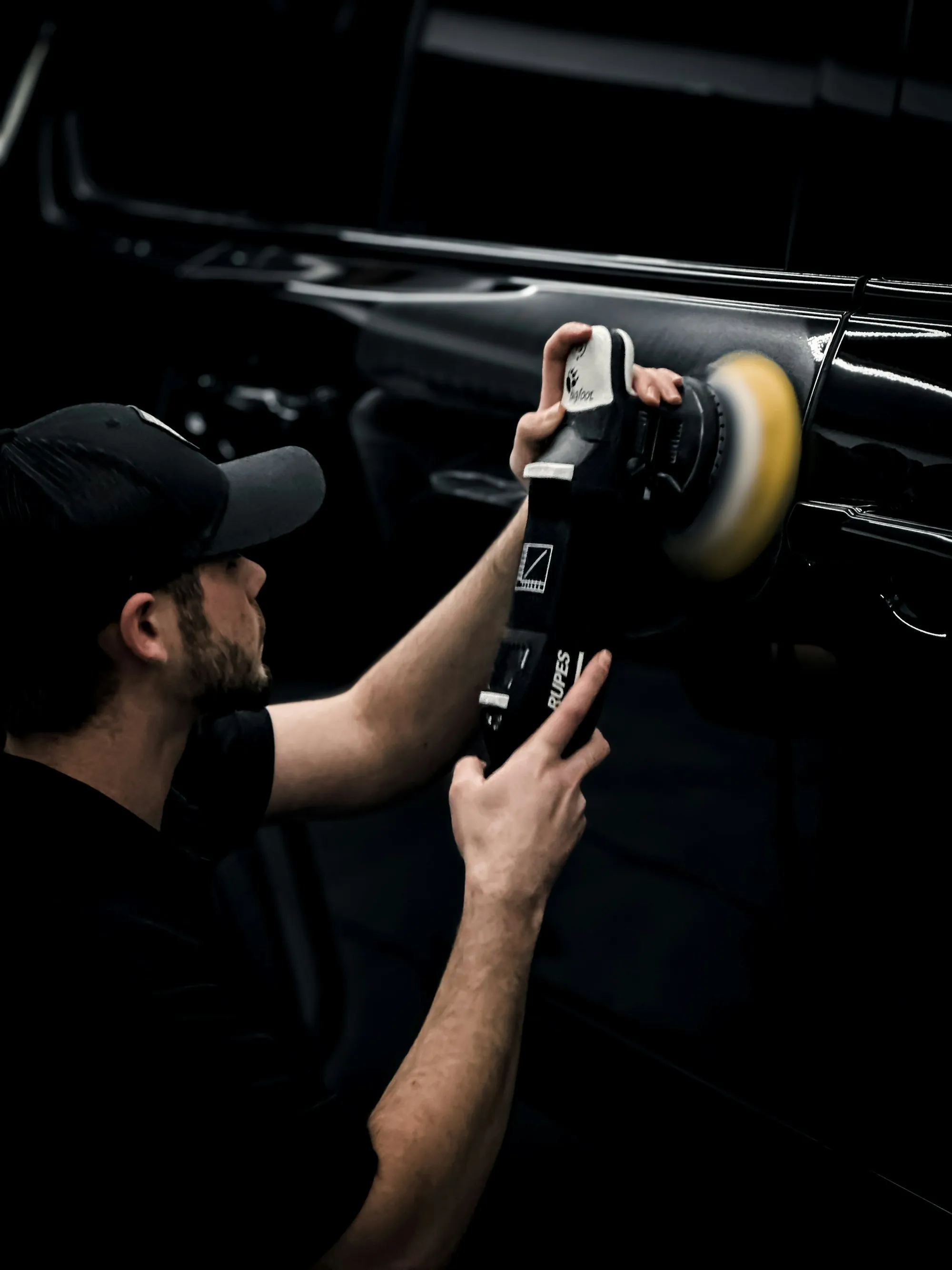
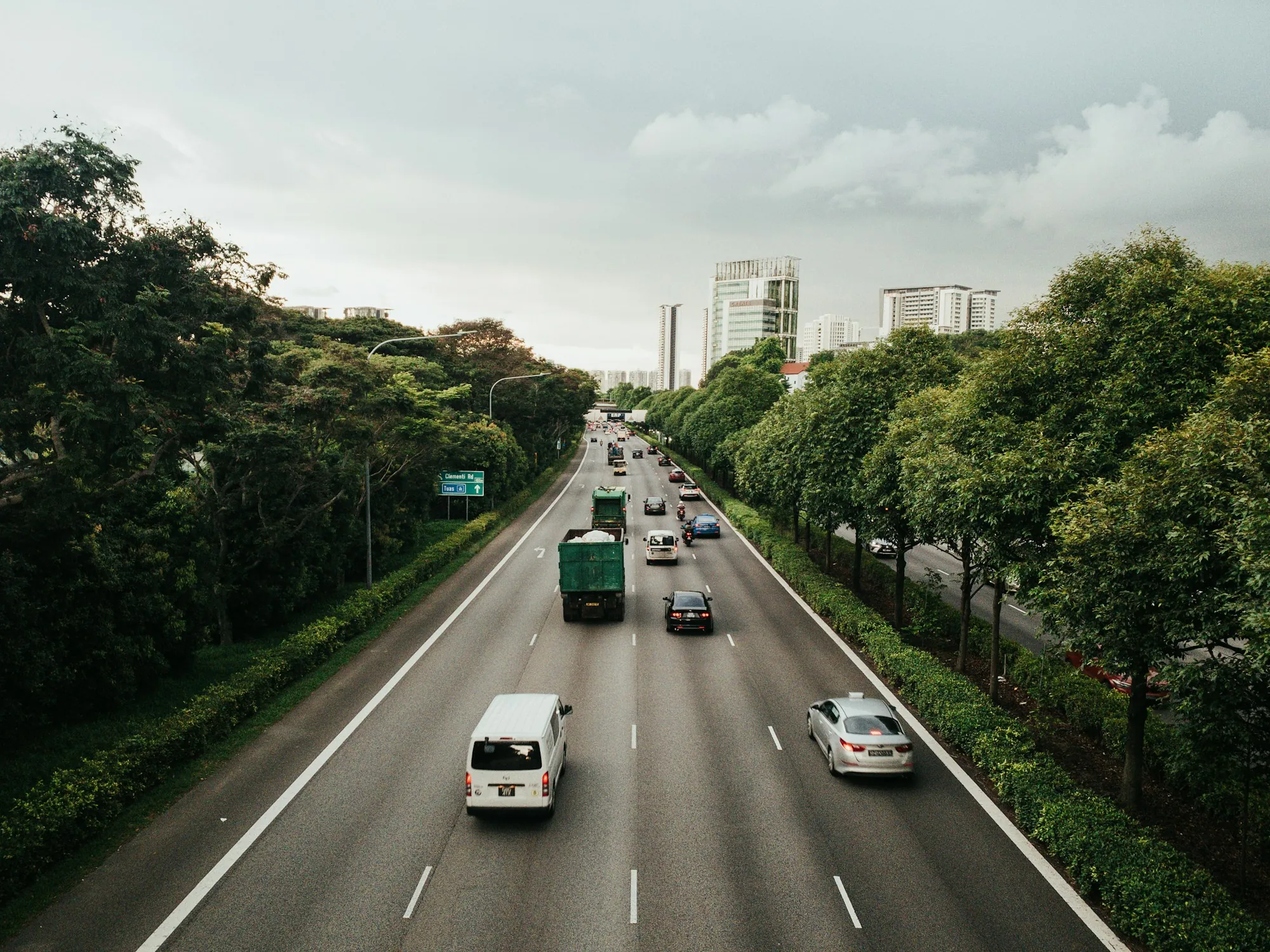
Lowry Crossing is a quiet town on the East Fork of the Trinity River, but the roads around it are busy. US 380 carries heavy traffic between McKinney and Princeton just to the north, with turning lanes, new developments and the stop-and-go that leads to rear-end bumps and side swipes. Bridgefarmer Road and the river crossing see their share of narrow-lane scrapes, and the open stretches toward the north end of Lake Lavon bring deer and wildlife onto the road at dusk.
Growth adds to it. New neighborhoods mean construction trucks, gravel on the shoulders and rock chips on hoods and windshields. Spring storms bring hail across Collin County most years.
Whatever the cause, the repair follows the same clear path: an honest look at the damage, a written plan and updates until the car is back in your driveway.
When plans change
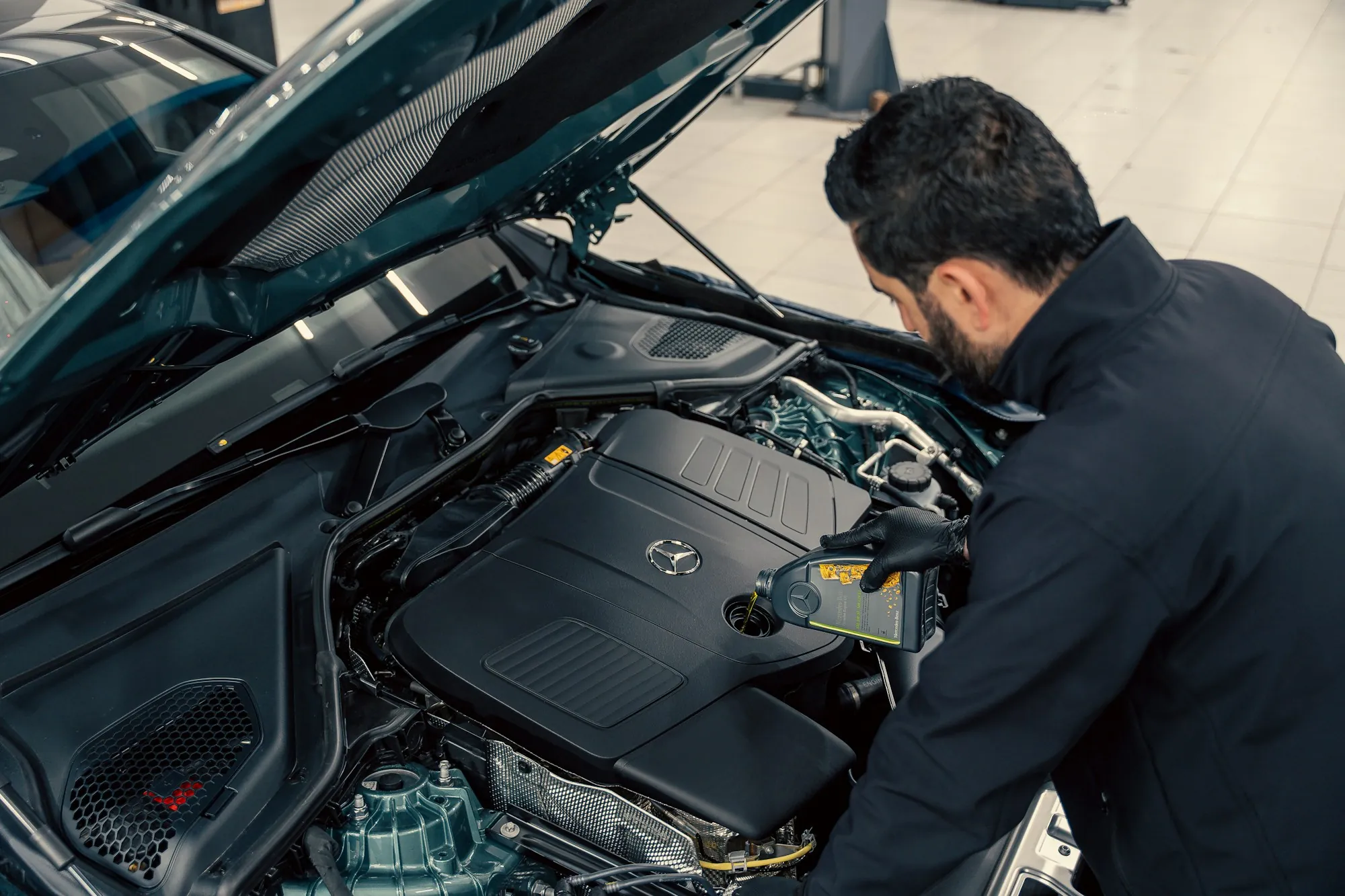
A first estimate can only include what's visible. Once a bumper cover or door panel comes off, there's often more behind it: a cracked bracket, a bent reinforcement, a damaged sensor mount. That's normal, and it's one of the most common reasons repairs change.
When it happens, we stop, photograph what we found and contact you before doing anything else. We explain what it is, why it matters and how it affects the plan. If an insurer is involved, we send them the same information. Work continues once everyone agrees on the next step.
Lowry Crossing sits between McKinney to the west and Princeton to the east, with New Hope right next door and the north end of Lake Lavon to the south. Most customers reach us in a few minutes, and plenty come from the neighboring towns.
US 380, Bridgefarmer Road, the river crossing and the lanes toward the lake. Tell us where it happened and we'll know the spot.
A car from McKinney gets the same plan and the same stage-by-stage updates as one from down the road.
Estimates, scheduling and progress questions all go through (000) 000-0000.
Coming from farther out? If the car can make the trip, or a tow truck can, you'll get the same plan and the same updates.
Ask about your town — (000) 000-0000Short answers. For anything else, call (000) 000-0000.
By phone or text, whichever you prefer. We'll reach out as each stage finishes and whenever something changes.
Each repair, replacement and refinish in plain words, with the estimate and anything we can't confirm until the car is apart.
We'll tell you as soon as we know, explain why and give you a realistic new expectation.
Yes. We share the plan, photos and any changes with your insurer and keep you informed about where the claim stands.
No. In Texas the vehicle owner chooses the repair shop.
We stop, photograph it and contact you before going further. Nothing is added without your knowledge.
Call (000) 000-0000 and we'll arrange a time to inspect the car in person. Photos rarely show everything.
Yes. We photograph damage at inspection and teardown, and we're happy to share those with you.
We walk around the car with you, explain what was done and answer any questions before you drive away.
Call and tell us where it is. We'll arrange a tow and start the plan from there.
Tell us what happened and where the car is. We'll explain what the first stage looks like and set a time to inspect it. No pressure to decide on the call.
Call the shop — (000) 000-0000Serving Lowry Crossing, McKinney, Princeton, New Hope and nearby.