
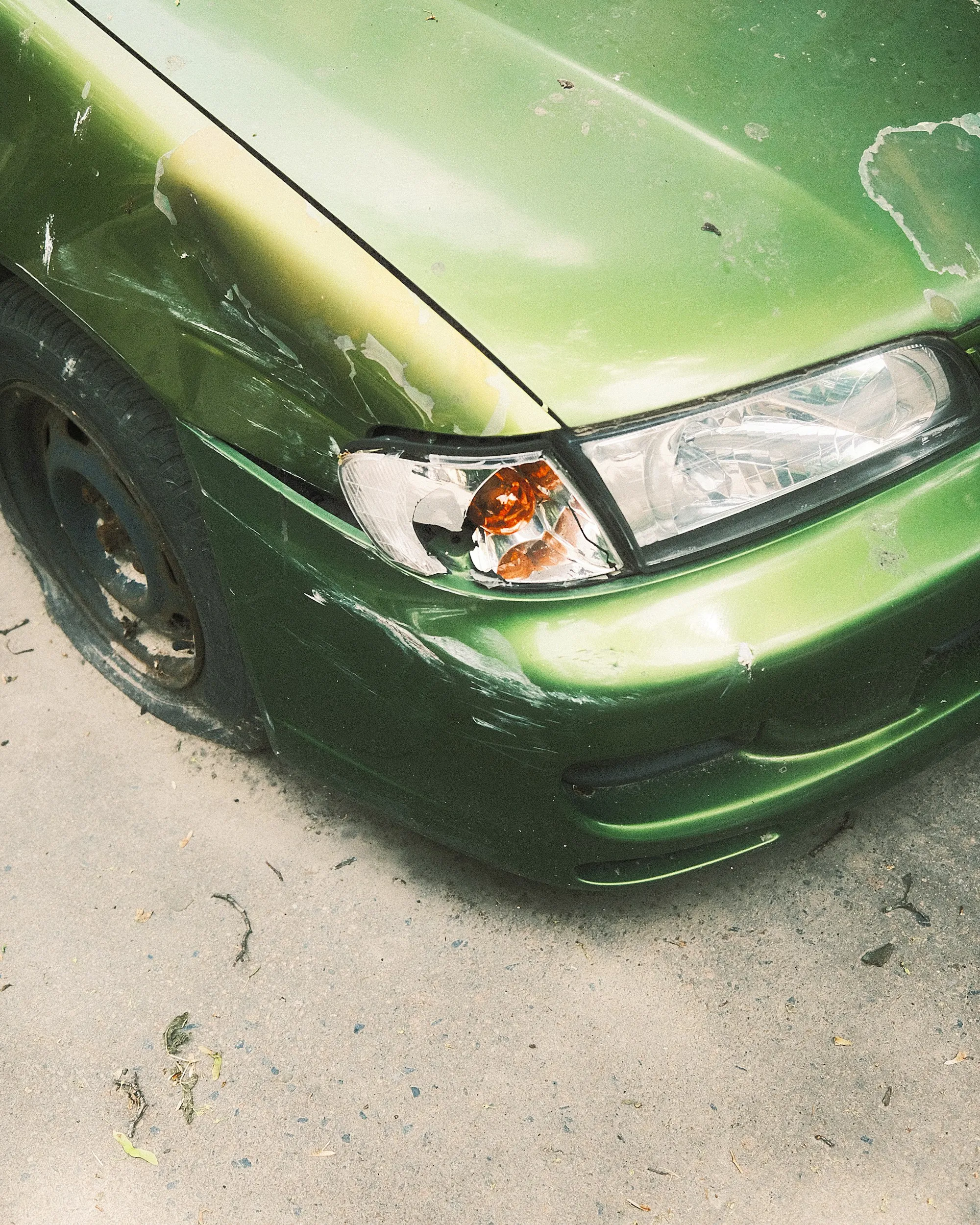
Bumper covers & what's behind them
Bumper Repair & Replacement in Lowry Crossing
Bumpers take the hit in most low-speed crashes, from a tap at a light on US 380 to a backing mishap in a Fairview driveway. We explain repair versus replace and keep you posted.
Bumper trouble? Talk it through — (000) 000-0000Behind the Bumper Cover
Most bumpers today are a painted plastic cover sitting over a foam absorber and a metal reinforcement bar. Scuffs and short cracks are usually fixable: the plastic is welded from the back, smoothed and painted. A cover that is torn, has broken mounting tabs or has too many cracks is usually better replaced. Behind it, the absorber and bar can be damaged even when the cover looks fine, so we take a look underneath. Lots of newer bumpers hide parking sensors or the radar used by automatic braking, and those need checking after any repair. We explain the repair-or-replace decision, then keep you updated from teardown to the final sensor test.
Bumper Work Included
Here is what bumper repair can involve, depending on the damage and what sits behind the cover.
Pulling the cover for a closer look
We take the bumper cover off to check the absorber, reinforcement bar and mounting brackets behind it.
Welding cracks in the plastic
Splits are fused from the inside with a plastic welder, then the face is sanded flush before paint.
Tab and clip repair
Snapped tabs are rebuilt with repair kits or new brackets so the cover sits snug to the body.
Replacement cover sourcing
If the cover can't be saved, we order a new one and check it for fit when it arrives.
Absorber and bar replacement
A crushed foam absorber or kinked bar can't protect you in the next bump, so damaged ones are swapped out.
Bumper refinishing
Covers are prepped with a flex additive, painted to match and blended with neighboring panels.
Sensor and camera check
Parking sensors, cameras and radar units are reinstalled and checked for proper function.
Fit and gap alignment
Once it's back on, we line the cover up with the headlights and fenders so the seams run even on both sides.
How a Bumper Repair Goes
- 01
Check the cover and the parts behind it
We look at the bumper and, when needed, remove it to check behind. You hear our recommendation on fixing versus replacing the cover, plus anything hidden we found. Nothing gets ordered until you've seen that plan.
- 02
Fix the cover or fit a new one
Repairable covers are welded, reshaped and smoothed. Replacement parts are ordered and checked when they arrive. If a part is delayed or comes in wrong, we call and explain the next step.
- 03
Refinish, reinstall and test the sensors
The cover gets primer, basecoat and clear, with blending into the quarter panels or fenders. It goes back on with sensors and lights reconnected. After a sensor test and a gap check, we call to say it's ready.
Why Bumper Repairs Here Go Smoothly
Absorbers and brackets get a look too
Plastic can spring back into shape while the foam behind it stays crushed. Checking underneath keeps the repair complete.
Parking aids tested every time
Parking aids and radar units are checked after every bumper repair, not only when a warning light shows up.
You know where things stand
From teardown to final check, you hear about each stage, along with any change in plan and the reason for it.
Get Your Bumper Sorted Out
Tell us whether the bumper is scuffed, cracked or hanging loose. We'll explain what's likely needed and how the updates will work from there.
Talk bumper repair through — (000) 000-0000